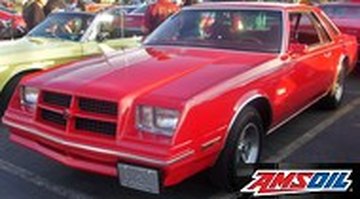
Maintenance Guidance for the 1983 Chrysler Cordoba 5.2L
Maintaining a classic vehicle like the 1983 Chrysler Cordoba requires consistent attention to fluid levels and engine health. Proper care of the powertrain components ensures that the vehicle remains operational and performs as intended throughout its service life. This guide focuses on essential maintenance considerations for your 5.2L engine and related systems.
What transmission fluid is listed for my 1983 Chrysler CORDOBA 5.2L?
The following fluids are listed for this vehicle: ATFPK-EA Signature Series Multi-Vehicle Synthetic Automatic Transmission Fluid and OTFQT-EA OE Multi-Vehicle Synthetic Automatic Transmission Fluid.
Engine Oil Maintenance Fundamentals
The engine is the heart of your Cordoba, and regular oil changes are a primary requirement for its longevity. Engine oil serves several critical functions: it lubricates moving parts to reduce friction, helps cool internal components by carrying heat away from the combustion area, and cleans the engine by suspending contaminants in suspension. Over time, oil breaks down due to thermal stress and accumulates impurities such as carbon deposits and moisture.
To maintain optimal engine health, you should monitor your oil level frequently using the dipstick. If the oil appears excessively dark or gritty, it may be time for a change. Always refer to your owner's manual or the manufacturer's maintenance schedule to determine when service is required for your specific vehicle.
Selecting the Correct Engine Oil Viscosity
Using the correct viscosity is essential for ensuring that oil flows properly through the engine passages, especially during cold starts and at high operating temperatures. For this 1983 Chrysler Cordoba with the 5.2L engine, the database allows for the use of 10W-30 engine oil. Using an incorrect weight can lead to increased wear or insufficient lubrication in critical areas.
When selecting a product, ensure it meets the standards required for your specific engine configuration. Proper viscosity helps maintain the protective film between metal surfaces, which is vital for preventing premature component failure.
Monitoring Fluid Levels and Condition
Beyond engine oil, regular inspections of all vehicle fluids are necessary. A well-maintained vehicle relies on the integrity of its hydraulic and lubrication systems. Check your transmission fluid level while the engine is running and at the appropriate temperature, as specified in your documentation. Low fluid levels can lead to slipping or delayed engagement in an automatic transmission.
In addition to checking levels, observe the color and smell of the fluids. For example, transmission fluid that smells burnt or appears very dark may indicate internal wear or overheating. Similarly, engine oil that looks milky may suggest coolant contamination. Catching these signs early can prevent more significant mechanical issues.
Managing Engine Contaminants
Combustion processes naturally produce byproducts that enter the crankcase. These include soot, unburned fuel, and various chemical residues. If these contaminants are not effectively managed through regular oil changes and the use of a high-quality filter, they can form sludge. Sludge is a thick, gel-like substance that can clog narrow oil passages and restrict flow to vital engine components like camshafts and bearings.
Maintaining a clean engine environment involves more than just changing the oil; it also requires ensuring that the ventilation systems within the engine are functioning correctly to allow blow-by gases to escape. Following the manufacturer's recommended service intervals is the most effective way to manage these internal contaminants.
General Powertrain Care
The 5.2L engine and its associated transmission work in tandem to move the vehicle. Because these systems are interconnected, maintenance on one can affect the other. For instance, an engine that is running poorly or overheating can cause higher operating temperatures in the transmission fluid, potentially accelerating its degradation. Conversely, a struggling transmission can place undue stress on the engine.
Regularly inspecting belts, hoses, and connections near the engine and transmission can help identify leaks before they become problematic. A small leak in a gasket or a loose hose connection might seem minor, but it can lead to a sudden loss of fluid that causes immediate mechanical damage.
BUYING ENGINE OIL
When you are ready to purchase supplies, focus on the specific requirements for your 1983 Chrysler Cordoba. Ensure that any oil you select matches the 10W-30 viscosity listed for this application. Look for products that meet the necessary quality standards to provide reliable lubrication and protection against sludge. Always check the labels carefully to confirm they are appropriate for your engine type before completing your purchase.